The 10 Most Scariest Things About How To Install Double Glazed Windows
How to Install Double Glazed Windows Double-glazed windows are becoming more used in new homes. They can be used to replace for windows that are old. They provide greater thermal insulation and noise reduction. This article will provide information on how to install double-glazed windows including the opening space preparation for the window, measurement and fitting tips, as well as maintenance tips. Frame The frame of a double glazed window is inserted into the opening and then secured in place. It is important that the frame is set correctly into the opening to prevent water and air leaks. Professional installers will employ the shim pack to ensure that the frame is tight and level. They will also seal the frame's edge to make it watertight, and keep it dry from moisture. The frames of uPVC Windows are generally constructed from a mixture of materials. These can include uPVC, timber, aluminium, or vinyl. The choice of material is determined by the requirements of every home. Wooden frames offer traditional appearance, while uPVC is more durable and has higher energy efficiency. Double-glazed windows minimize noise from neighbors planes, traffic, or planes. It is important to thoroughly clean both the glass and uPVC before installing the frame. It is possible to remove stubborn stains and streaks using a chemical cleaner. It is also an excellent idea to scrub the area where the frame will be placed and the sill of the existing window. Once the cleaning is done, the uPVC frame can be stained or painted. The frame is now ready to receive the brand new double-glazed window. A uPVC kit usually includes all the tools required to set up the window. Wear gloves when handling glass panes, as they are extremely sharp. The uPVC window is fitted to the opening by the help of spacers. Spacers are available in different sizes and are made out of plastic. It is recommended to use the smallest spacers to reduce the risk of the glass breaking. Use a silicone sealant around the frame's edges in order to reduce the risk of accumulating moisture. It is also recommended to install trickle vents into the walls of your home, as double glazed windows can create a significant amount of heat. These vents help control the temperature inside the home and also reduce the requirement for artificial heating. Sill The sill of a double glazed window is an important component to consider when installing an entirely new house or renovating an existing home. It acts as an element that is used to separate the inside of your home from the outside, allowing you control the temperature, minimize noise pollution and improve security. The sills are generally made of uPVC which is extremely durable and requires minimal maintenance. It can be affixed to a concrete bed, or to a wood or masonry frame using a suitable adhesive. It can also be attached to a wall with expanding foam. However it is recommended to use low-expansion, as this foam expands slower and will not damage or warp uPVC. Before you install your double-glazed windows make sure the area surrounding the window opening is clean and free of debris. You can also make use of a soft cloth or brush to clean the walls around the window openings to eliminate dirt and dust. You'll need to prepare the window frames for installation by applying the waterproofing membrane or sealant to the outside of the frames and around the edges. After this, the frames are inserted into their window openings. Be sure that they are square and even. To achieve this, you could use a variety of plastic spacers that are inserted in between the frame and wall. A special PVC superglue can also be used to attach the caps at the ends to the sill. You'll need to add a setting block to the bottom of your sill after the frame has been put in place. This will ensure that the frame is held securely and doesn't bow or become misaligned as time passes. You can seek out an expert if you're confident in your ability to accomplish this task. It is best to have someone assist you move the window, securing it in the frame into the window space to ensure that it's not dropped or mishandled, which can cause it to break or become damaged. Glass The glass unit that is insulated is the main part of double-glazed windows. It sits inside the frame made of aluminium or uPVC. It is comprised of two panes that are separated by a spacer that creates an air gap between the glass. This air gap is then filled with insulating gas. It's similar to the sandwich of glass bread with an insulation filling. The IGU is secured to the frame of the window with a high-quality sealant. Depending on the product and installation, this may require the use of heat or cold to help to set the seal. This is vital in preventing leakage of water and air. The next step is to prepare the glass and the frame to be installed. Installers will take measurements of the frame and sill to ensure proper fit. This will also include removing any old caulking and glue using a putty knife. Installers will then apply a silicone bead on the top edge sill. This is to stop water from getting inside the frame. It also can be used to stop water from running through the back of the sill into the wall behind it. double glazing installation services will then take any beads or shims that are on the frame to adjust the size of the window. The installer will then screw the frame onto the wall structure once it is in the proper position. To enhance the acoustic and thermal properties the space between the glass panes in double-glazed windows is filled with an inert gas with low conductivity. The most commonly used gas is argon. used. This gas type can reduce outside sound by as much as 20%. The gas that insulates also works to limit the circulation of outside air into the house, further increasing the efficiency of energy. A vacuum between the panes also helps to reduce condensation, which can cause mold and mildew to form. This is why double glazing is an ideal option for homes with moisture problems or those located near airports or roads that are busy. Hardware Double-glazed windows can reduce the amount of heat that enters or leaves your home. This means that your heater and air conditioner won't need to work as hard to keep the temperature at an acceptable level. This means lower energy costs. 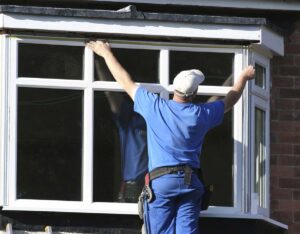 Another benefit of double glazed windows is that they block out the sound, making it quieter in your home. This is because sound waves are more likely to be absorbed by objects and dispersed. Double-glazed windows also block out the outside noise by using two panes. A professional can provide you with various options to meet your requirements if you're considering installing double-glazed windows in your home. A professional will take precise measurements and specifications of the windows to ensure that the correct size of window is selected. They then put in the frame, which is then secured in place with screws or fixings. Your double-glazed windows need to be maintained on a regular basis following installation. This will stop condensation and moisture from forming, which can harm the seal and compromise the ability of your double glazed window to keep heat in and cold out. It is easy to clean double-glazed windows. You can clean the frames with an aqueous mixture of with soap and warm water, while degreaser is useful for removing the stubborn dirt or grease. It is also recommended to regularly oil the hinges, locks and mechanisms to ensure they function smoothly. One of the most common problems that people face when they have double-glazed windows is that the seals fail which causes moisture to accumulate between the panes. This can cause windows to look blurred or cloudy and can affect their insulation capabilities. If you notice a moisture build-up, it's important to contact the company who installed your windows as fast as possible to fix the problem. If the seals are damaged, they may have to be replaced. This can be an expensive option.